
10 Day Peru Itinerary: Lima, Sacred Valley, Machu Picchu & Cusco + Free Google Sheets Template
Matt - August 14, 2026
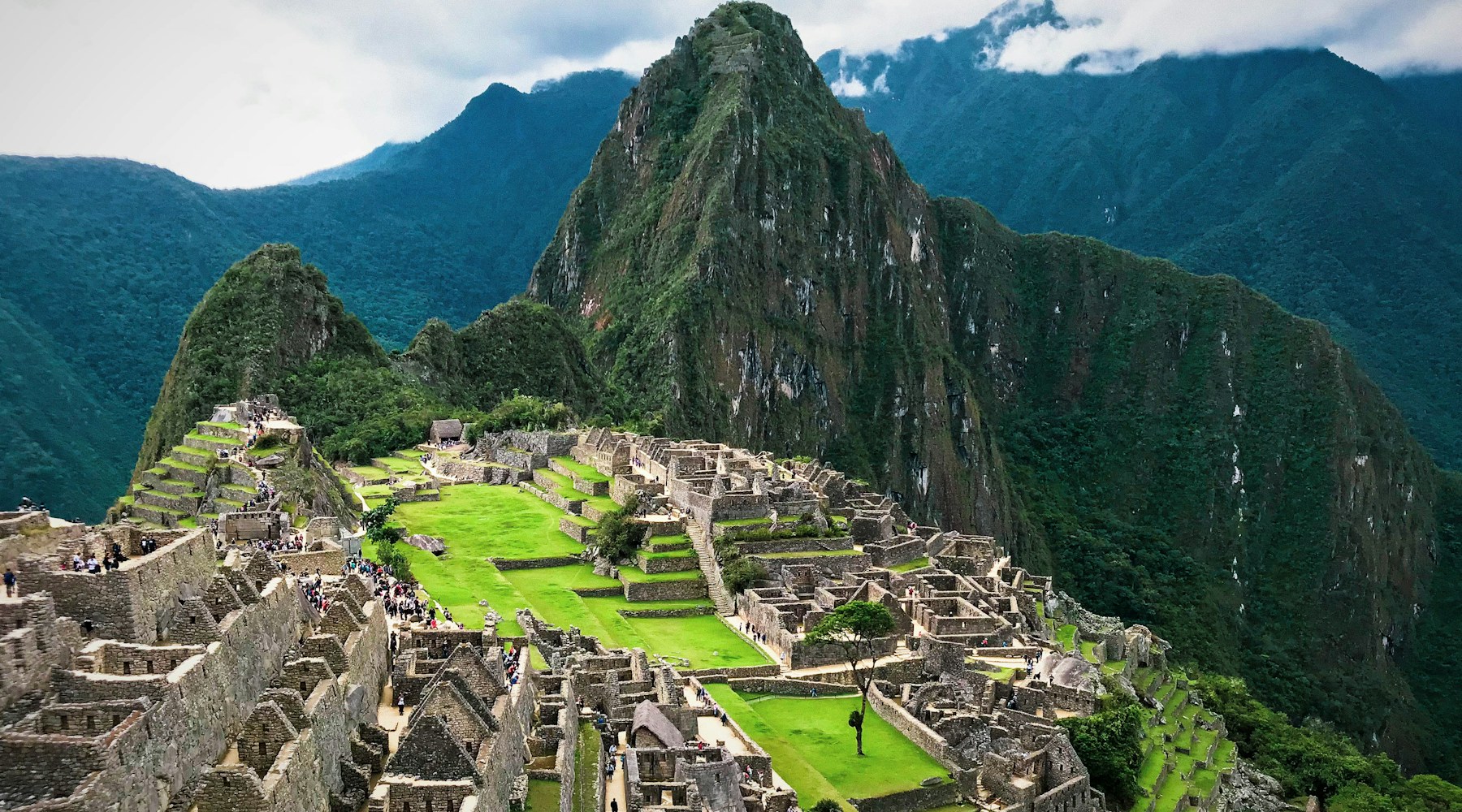
Ten days in Peru gives you time for Lima, the Sacred Valley, Machu Picchu, and Cusco. This itinerary begins with two nights in Lima, continues to Ollantaytambo and Machu Picchu Pueblo, and finishes with several days in Cusco.
The order works well for a first trip because the major transfers form a clear sequence: fly from Lima to Cusco, continue by road into the Sacred Valley, take the train to Machu Picchu Pueblo, and return by train and road to Cusco. You will have time for the main archaeological sites, city neighborhoods, museums, markets, and a day around Maras, Moray, and Chinchero.
You can use the free 10 Day Peru Itinerary Google Sheets template as the itinerary for your own trip. It includes the day-by-day plan, lodging bases, flights, trains, transfers, attraction links, optional activities, packing items, pre-trip tasks, costs, and sample cost-splitting rows.

Itinerary Outline
- Days 1-2: Lima, including Miraflores, the historic center, Museo Larco, and Barranco
- Days 3-4: Ollantaytambo and the Sacred Valley, with a day in Pisac
- Days 5-6: Ollantaytambo archaeological site, the train to Machu Picchu Pueblo, and Machu Picchu
- Days 7-9: Cusco, Sacsayhuaman, nearby archaeological sites, Maras, Moray, and Chinchero
- Day 10: Depart from Cusco or connect through Lima
This plan uses two nights in Lima, three nights in the Sacred Valley and Machu Picchu area, and four nights in Cusco. The final Cusco stay gives you time for the historic center as well as day trips around the surrounding highlands.
Best time and pacing for this Peru itinerary
May through September usually brings drier conditions in the Cusco region, which is useful for Machu Picchu, the Sacred Valley, and outdoor archaeological sites. These months are also popular, so flights, trains, lodging, and Machu Picchu tickets can sell well in advance. The highlands have a wetter season from roughly November through March, while Lima has its own coastal pattern and often feels cloudy and humid in winter.
Cusco and several day trips are at high elevation. This itinerary places the Sacred Valley before the longer Cusco stay so you can begin with Ollantaytambo and Pisac, then continue to Machu Picchu and Cusco. Give yourself a lighter first afternoon in the valley, drink water regularly, and discuss altitude concerns with a medical professional before the trip if they apply to you. The CDC Peru destination page is a useful source for current health guidance.
Check the official Peru travel site, current entry requirements, local conditions, and the travel advisory that applies to your nationality before booking.
Day 1: Arrive in Lima and settle into Miraflores
Most international itineraries begin at Jorge Chavez International Airport. Lima traffic varies considerably by time of day, so allow room between landing and any dinner reservation. Miraflores is a convenient first base with restaurants, hotels, parks, and the Pacific waterfront within a relatively compact area.
After checking in, walk a section of the Malecon, the clifftop park system above the coast. Parque del Amor has ocean views and sits near paths that continue toward Larcomar and other waterfront parks. Choose a route that fits the remaining daylight and have dinner close to your hotel.
Day 2: Historic Lima, Museo Larco, and Barranco
Start around Plaza Mayor in Lima's historic center. The square is surrounded by the cathedral, government buildings, arcades, and streets that show the city's colonial layout. Check current visiting hours for the cathedral, Convent of San Francisco, and other interiors that interest you, then continue through the plazas and surrounding streets.
Continue to Museo Larco in Pueblo Libre. Its galleries cover thousands of years of pre-Columbian history through ceramics, textiles, metalwork, and other objects. Visiting before the Sacred Valley and Cusco gives you useful context for the cultures, symbols, and materials you will see later in the trip.
Spend the evening in Barranco. Walk near the Bridge of Sighs and Bajada de Banos, then browse the surrounding streets for galleries, cafes, murals, and restored homes. Barranco is a good place for a longer dinner, while Miraflores is an easy alternative if you prefer to stay near your lodging.
Day 3: Fly to Cusco and continue to Ollantaytambo
Take a morning flight from Lima to Cusco and arrange a road transfer from the airport into the Sacred Valley. The trip to Ollantaytambo passes Chinchero and Urubamba-area landscapes, although your exact route depends on current road conditions and the transfer you book.
Check into a hotel within walking distance of Ollantaytambo's main square or train station. The old town preserves narrow stone streets, working water channels, adobe walls, and mountain views. Use the afternoon for a gentle walk through town, a cafe stop, and an early dinner.
Ollantaytambo is one of the most useful bases in the Sacred Valley because it combines a major archaeological site with direct train service toward Machu Picchu. Staying here also gives you more time in the town than a short tour stop would allow.

Day 4: Pisac archaeological site and town
Travel through the valley to Pisac. The archaeological park sits high above the modern town, with agricultural terraces, ceremonial structures, residential areas, and viewpoints across the valley. A driver or tour can connect the upper site with the town below and give you time for the areas that interest you most.
After the site, browse Pisac's central streets and market. The experience varies by day and season, but you can expect produce, food stalls, textiles, crafts, and shops serving both residents and visitors. Have lunch in town before returning to Ollantaytambo.
You can also use this day for Maras, Moray, and Chinchero, then keep Day 9 open for more time in Cusco. The COSITUC tourist ticket site explains the current ticket options for several archaeological sites in the Cusco region.
Day 5: Ollantaytambo and the train to Machu Picchu Pueblo
Visit the Ollantaytambo archaeological site in the morning. Broad terraces rise above the town toward ceremonial structures and the unfinished Temple of the Sun. From the higher levels, you can look across the valley toward the old town and Pinkuylluna storehouses on the opposite mountainside. The lower part of the complex includes stone walls, water channels, and fountains that are easy to miss when a visit is rushed.
Have lunch in town and collect your luggage before taking the train to Machu Picchu Pueblo, also known as Aguas Calientes. Choose a departure that fits your reserved Machu Picchu entry time the next day. Review the train operator's current luggage allowance and bring a smaller overnight bag if required. PeruRail publishes current schedules and baggage information, and other authorized operators may offer additional departures.
After checking in, walk around the compact town, locate the shuttle bus boarding area, and have an early dinner. Keep your passport, official Machu Picchu ticket, and any guide or transfer details ready for the morning.

Day 6: Machu Picchu and travel to Cusco
Visit Machu Picchu at the circuit and entry time shown on your ticket. Each official circuit follows a defined path through different parts of the sanctuary, so review the available routes before buying. Some emphasize the classic upper viewpoints, while others spend more time closer to the urban and agricultural sectors.
Inside the sanctuary, look for the relationship between the terraces, stone buildings, plazas, surrounding peaks, and the steep Urubamba valley. A licensed guide can add historical and architectural context, especially on a first visit. Follow current rules for bags, permitted items, entry timing, and identification.
Purchase tickets through the official Machu Picchu ticket platform or the linked Ministry of Culture service. After the visit, take the shuttle back to Machu Picchu Pueblo, have lunch, and board your return train. Your booking may include a direct rail segment or a combined train-and-road service. Continue to Cusco and check into your final lodging base.
Day 7: Cusco historic center, Qorikancha, and San Blas
Begin in Plaza de Armas, where the cathedral, Church of the Society of Jesus, colonial arcades, and surrounding hills frame the center of Cusco. The square is a natural starting point for walking through nearby streets built around both Inca and colonial foundations.
Continue to Qorikancha and the Santo Domingo complex. The surviving Inca walls show the precise masonry associated with the former Temple of the Sun, while the later church and convent add another layer to the site. Give yourself time for the interior courtyards and exhibits as well as the exterior walls along Avenida El Sol.
In the late afternoon, walk uphill to San Blas. The neighborhood is known for workshops, small galleries, cafes, and viewpoints over central Cusco. The streets are steep, so choose a short loop and take breaks as needed.

Day 8: Sacsayhuaman and nearby archaeological sites
Start at Sacsayhuaman above Cusco. Its enormous fitted-stone walls form a series of zigzag terraces, with open spaces and viewpoints across the city. The scale of the stones and the layout are easier to appreciate when you have enough time to walk between the main sections.
Continue along the archaeological circuit to Qenqo, Puka Pukara, and Tambomachay according to your interests and available time. Qenqo includes rock-cut passages and carved surfaces. Puka Pukara occupies a strategic hilltop, while Tambomachay is known for carefully constructed water channels and fountains.
Return to Cusco for a quieter afternoon or evening. Mercado de San Pedro, the Museo de Arte Precolombino, and another walk through San Blas are useful options if you still have energy and opening hours line up.
Day 9: Moray, Maras, and Chinchero
Use the final full day for a loop through the highlands northwest of Cusco. Moray is known for concentric terraces built into natural depressions. The form of the site and the surrounding agricultural landscape make it one of the region's most distinctive archaeological stops.
Continue to the Maras salt terraces, where thousands of shallow pools step down the hillside. Follow the current visitor paths and viewpoints, which may change to protect the working salt pans. The patterns, colors, and valley setting are the main visual draw.
Finish in Chinchero. The town combines an Inca archaeological site, a colonial church, market traditions, and textile workshops. Choose a workshop that explains the materials, dyeing, and weaving process clearly, then return to Cusco for a final dinner.
Day 10: Depart from Cusco
Transfer to Cusco airport for a flight to Lima or another destination. If your international flight departs from Lima on the same day, leave a generous connection window and check whether the tickets are issued together or separately.
For a later departure, keep the morning close to your hotel. Breakfast near Plaza de Armas, a short market visit, or a final walk along Avenida El Sol can fit before the airport transfer.
Where to stay in Lima, Ollantaytambo, Machu Picchu Pueblo, and Cusco
Lima: Miraflores is convenient for first-time visitors who want waterfront parks, restaurants, and a wide range of hotels. Barranco suits travelers who prefer galleries, cafes, and colorful historic streets. Either area requires transport to the historic center and airport.
Ollantaytambo: Stay near the old town for atmosphere and easy walks, or closer to the train station for an early departure. The town is compact, but stone streets and bridges can make luggage transfers slower than the map suggests.
Machu Picchu Pueblo: Choose lodging within a comfortable walk of the train station and shuttle bus area. The town climbs uphill from the river, so check the exact location if you have heavy luggage or limited mobility.
Cusco: The historic center is convenient for Plaza de Armas, Qorikancha, restaurants, and tour pickups. San Blas has character and views but steeper streets. Areas closer to Avenida El Sol can be practical for airport access and a flatter walk into the center.
Transport and booking logistics
- Reserve Machu Picchu tickets first because the chosen date, entry time, and circuit shape the train and lodging schedule.
- Book the Ollantaytambo-Machu Picchu Pueblo train around your ticket and review the operator's current baggage policy.
- Arrange the Cusco airport-to-Sacred Valley transfer before arrival, particularly for a late flight or a group with luggage.
- Check which Cusco-region sites are included in the current COSITUC ticket options and buy the ticket that fits your plan.
- Confirm current opening hours for museums, churches, archaeological sites, and the Maras salt terraces.
- Keep digital and offline copies of flight, train, lodging, ticket, and transfer confirmations.
- Add buffer time around road and rail transfers, especially when connecting to a fixed Machu Picchu entry or flight.
Optional ideas and route changes
- Huaca Pucllana: Add an evening or daytime visit in Miraflores for a pre-Inca adobe complex within modern Lima.
- Pachacamac: Use an additional Lima day for this large archaeological sanctuary south of the city, with transport planned around traffic.
- South Valley: Visit Tipon, Pikillacta, and Andahuaylillas from Cusco for Inca water engineering, a Wari settlement, and Andean colonial art.
- Rainbow Mountain or Palccoyo: Add one of these high-altitude landscape trips after several days in the region, based on current weather, trail conditions, transport, and your comfort with the elevation.
- Humantay Lake: Choose this for a long hiking day from Cusco and check current road, weather, and trail information.
- Arequipa or the Amazon: Add at least three or four days for either extension so flights and transfers fit comfortably.
What the Peru Google Sheets itinerary template includes
- A scheduled Lima, Sacred Valley, Machu Picchu, and Cusco itinerary
- Unscheduled ideas for museums, markets, archaeological sites, day trips, and route changes on the Itinerary tab
- Specific locations, official links, lodging notes, transfer reminders, and booking details
- A packing list and pre-trip checklist tailored to this Peru route
- Cost fields and sample split-cost rows for shared travel expenses
For a general planner you can adapt to any trip, see the free Google Sheets travel planner and itinerary template.
How Travel Mapper helps with a Peru trip
The free Google Sheets itinerary gives you one place for dates, lodging, flights, trains, tickets, activities, costs, and notes. The Travel Mapper Google Sheets add-on adds a map beside the itinerary so you can see how Lima's neighborhoods fit together, review the Sacred Valley stops, and compare the locations of your lodging, stations, and planned activities around Cusco.
You can fine-tune the schedule with drag-and-drop itinerary editing, use Google Maps autofill while adding places, email the itinerary, and export it to Google My Maps. The Travel Mapper Chrome extension can also add an activity from a hotel, restaurant, museum, or tour page you are researching.
If you want to review or edit the trip from your phone while traveling, the Travel Mapper web app works in a mobile browser.
Peru itinerary FAQ
Is 10 days enough for Peru?
Ten days is enough for a first itinerary focused on Lima, the Sacred Valley, Machu Picchu, and Cusco. Add more time for Lake Titicaca, Arequipa and Colca Canyon, the Amazon, the northern coast, or a multi-day trek.
Should I stay in Cusco or the Sacred Valley before Machu Picchu?
Staying in Ollantaytambo before Machu Picchu gives you direct train access and more time in the Sacred Valley. Cusco has a larger range of restaurants, museums, and hotels. This itinerary uses both: Ollantaytambo before the train and Cusco after Machu Picchu.
How far in advance should I book Machu Picchu?
Book as soon as your dates are firm, especially for the popular dry-season months and the circuit you prefer. Availability varies by date and entry time, so check the official ticket platform before committing to nonrefundable trains and lodging.
Which Machu Picchu circuit should I choose?
Choose according to the viewpoints and parts of the sanctuary you most want to see. Official route descriptions and availability can change, so compare the current circuit maps on the Ministry of Culture ticket platform before buying.
Do I need a car for this Peru itinerary?
No. Flights connect Lima and Cusco, road transfers cover the Sacred Valley, and trains connect Ollantaytambo with Machu Picchu Pueblo. A private driver or organized day tour can make Pisac and the Maras-Moray-Chinchero loop easier.
Where should I add an extra day?
Add it to Cusco for more museums and a day trip, to Lima for food and coastal neighborhoods, or to the Sacred Valley for a slower stay around Ollantaytambo and Pisac. Plan several additional days for Arequipa, Lake Titicaca, the Amazon, or a trek.
Use the free Peru itinerary template to customize the trip, then install Travel Mapper when you want to see your itinerary on a map and refine your plans inside Google Sheets.